
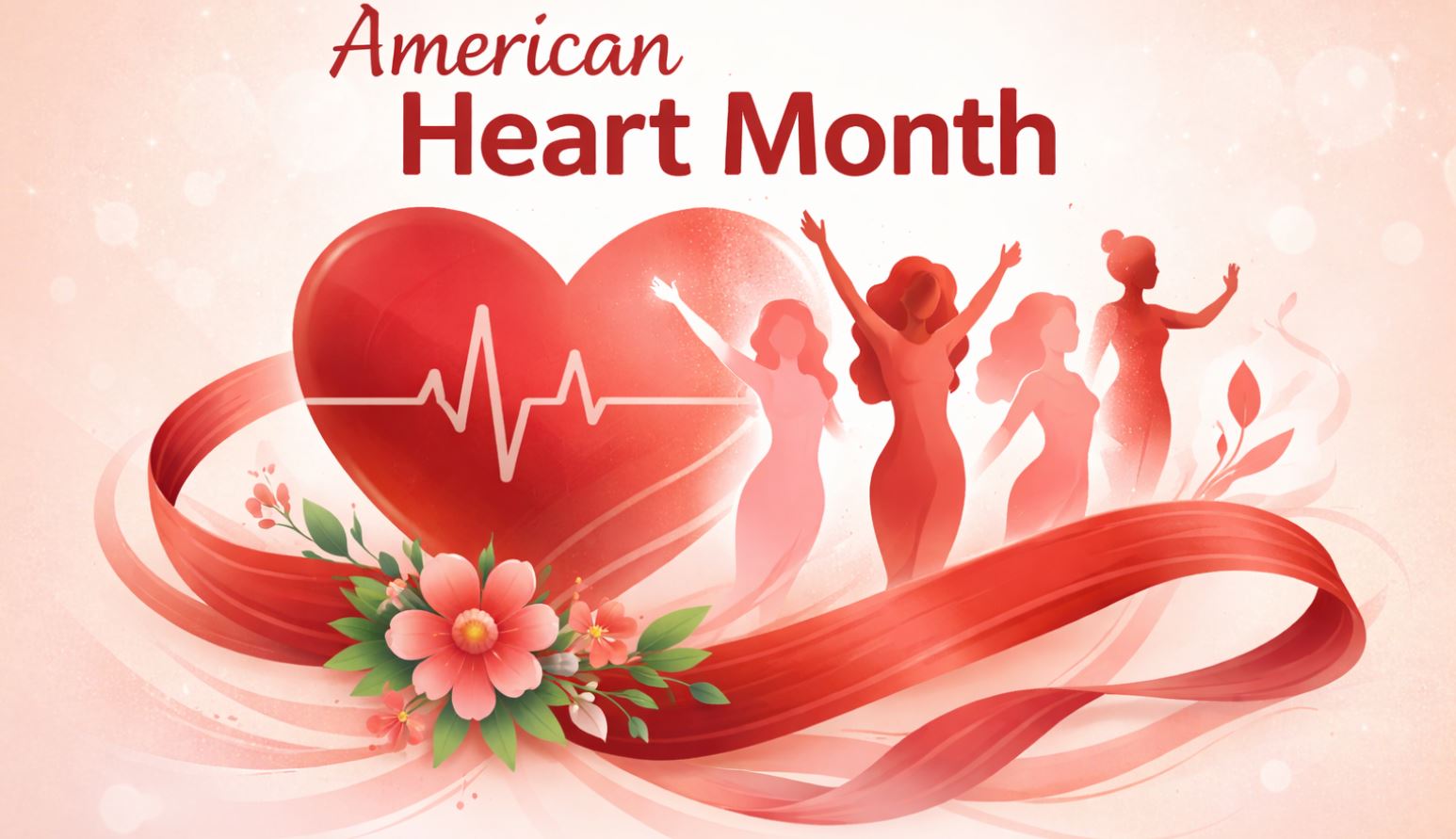
February isn’t just about Valentine’s Day. It is American Heart Month. While we often think about flowers and chocolates, it’s also a reminder to focus on the organ that keeps everything going: your heart.
Heart disease is the leading cause of death for women in the U.S., accounting for about 1 in 5 female deaths each year. For much of our lives, estrogen quietly acts as a natural shield. It keeps blood vessels flexible, supports healthy cholesterol levels, and plays a protective role that many women don’t even notice.
As you move through perimenopause and menopause, that natural shield slowly starts to fade.
When Estrogen Drops, Your Heart Notices
Hormonal changes in midlife quietly influence your cardiovascular risk. Before menopause, women generally have lower rates of heart disease compared to men of the same age. This protective effect is tied directly to how estrogen supports your blood vessels and your metabolism.
As estrogen declines, that risk slowly rises. It isn’t sudden. It is gradual, subtle, and often unnoticed until labs or symptoms catch your attention. You might notice:
- Arteries starting to stiffen.
- LDL (“bad”) cholesterol rising—even if your diet hasn’t changed.
- Blood pressure becoming harder to control.
“Why Did My Cholesterol Suddenly Go Up?”
This is one of the most common questions we hear: “I’m eating well and staying active, so why is my LDL spiking?”
The answer lies in your body navigating a metabolic flip. Estrogen influences how your liver processes cholesterol and affects fat metabolism. Research shows these changes are tied directly to the menopause transition, not just aging (El Khoudary et al., 2020).
Building the Foundation: What You Can Do
Even subtle changes in heart health can be addressed proactively. Here are some key strategies:
Nourish Your Heart
Eat foods like leafy greens, beets, and garlic to support nitric oxide production, which helps blood vessels relax, a role estrogen used to handle. Include Omega-3s from salmon, walnuts, or supplements to reduce inflammation and support a stable heart rhythm.
Smart Supplementation
Depending on your labs, CoQ10, magnesium, and vitamin D can support heart energy and help regulate blood pressure.
Build and Protect Muscle
Strength training isn’t optional. Muscle is a metabolic organ that helps regulate blood sugar and lipids. The calves are sometimes called a “second heart” because they help pump blood back to the heart. Remember: Movement is Medicine.
Prioritize Sleep
Chronic stress and poor sleep raise cortisol, which directly strains your heart. Restorative sleep is a cornerstone of cardiovascular health.
Where Hormone Health Fits In: Reclaiming the Shield
Even with healthy eating, regular exercise, and good sleep, you may still notice changes in your body if your hormones are shifting.
Bioidentical Hormone Replacement Therapy (BHRT) can support heart health. BHRT isn’t just about relieving hot flashes. It helps restore some of the cardiovascular support your body may be missing.
Timing matters. Women who start BHRT under 60 or within 10 years of menopause often see better heart outcomes.
Maintaining flexibility is important. Stabilizing hormone levels with BioTE® pellets can help support arterial flexibility and protect against stiffening.
Properly selected BHRT for healthy women is safe and can be an important part of a long-term vitality plan.
Your Heart, Your Future
Your heart is about more than just a romantic holiday. It’s about your longevity and the life you want to keep living.
The most proactive step you can take is to stop guessing. Talk with your gynecologist, review your labs, and understand your personal risk factors. Together, we can determine how BHRT fits alongside your lifestyle to help keep your natural “shield” strong.
CornerStoneMD Dallas – Carolyn Riley, MD
References
- El Khoudary, S. R., et al. (2020). Menopause Transition and Cardiovascular Disease Risk. Circulation / Journal of the American Heart Association.
- Manson, J. E., et al. (2017). Menopausal Hormone Therapy and Long-term Mortality. JAMA.
- Matthews, K. A., et al. (2009). Changes in Cardiovascular Risk Factors During the Menopause Transition. Journal of the American College of Cardiology.