
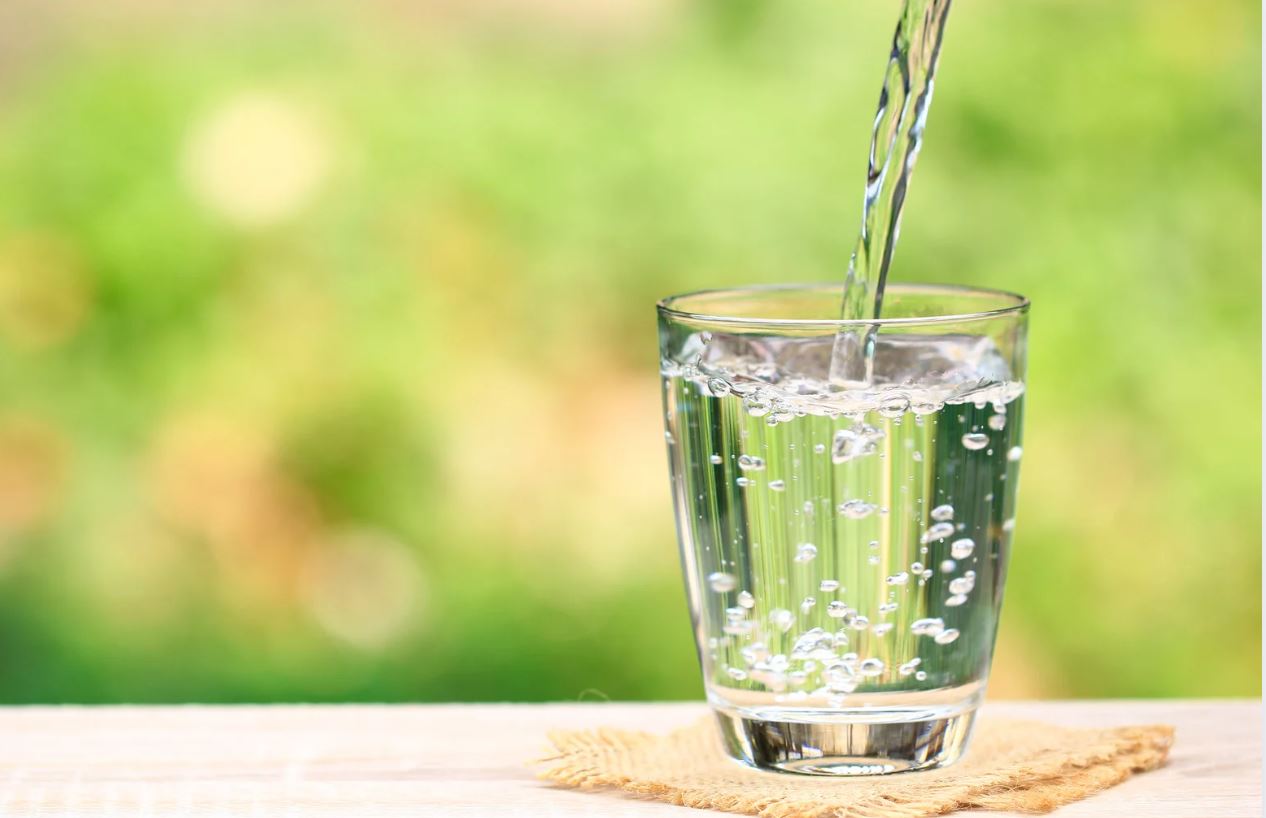
We all know water is key to staying healthy, especially in the summer heat. But here’s the thing: not all water is created equal. Some waters come straight from natural springs, packed with minerals your body loves. Others are filtered so much they lose those benefits.
Before you grab your next drink, let’s break down the different types of water and what each one really brings to the table.
1. Spring Water
Spring water is considered one of the healthiest options because it’s sourced from underground springs and naturally filtered through rock. It typically contains essential minerals like calcium, magnesium, sodium, and potassium. These help support hydration, electrolyte balance, and overall well-being. Thanks to its natural purity, spring water is often slightly alkaline (with a pH above 7) and doesn’t require extra filtration or additives. Just make sure to check the label to confirm it’s truly from a spring—not all bottled waters are what they claim.
2. Distilled Water
Distilled water goes through a process where it’s boiled into steam and then condensed back into liquid, removing nearly all impurities and minerals. It’s incredibly pure—making it a good option if your local water supply is questionable. However, because it lacks minerals, drinking only distilled water long-term might not be ideal. It can actually draw electrolytes out of your body. If you’re using distilled water regularly, consider adding trace minerals back in or simply alternating with more mineral-rich water types.

3. Purified Water
“Purified water” is a broad category that includes any water processed to remove chemicals, bacteria, or contaminants— using methods like reverse osmosis, distillation, or carbon filtration.
It’s generally safe and clean, but keep in mind that purification often strips away helpful minerals, too. This makes it similar to distilled water in terms of lacking nutritional value—so again, it may be smart to add back trace minerals if you rely on it often.
4. Reverse Osmosis (RO) Water
Reverse osmosis uses a semi-permeable membrane to remove contaminants and solids from water. It’s extremely effective at improving taste and removing harmful substances like lead, chlorine, and arsenic. However, it also removes beneficial minerals, and drinking only RO water over time without replacing those minerals could lead to imbalances. If your home uses an RO system, consider adding a mineral supplement or even a pinch of sea salt and lemon to help your body absorb hydration better.
5. Seltzer Water
Love your La Croix? Good news—science says carbonated water hydrates just as well as still water. A study published in The American Journal of Clinical Nutrition found that seltzer water and other beverages hydrate comparably to plain water. The catch? Flavored seltzers with additives and citric acid can wear down tooth enamel if consumed too frequently. Stick to unflavored varieties when you can, and enjoy the bubbles without worry.
6. Alkaline Water
With a higher pH level (typically around 8 or 9), alkaline water is touted for helping balance body acidity and providing antioxidant benefits. It may support hydration and improve how your body processes oxygen, thanks to minerals like calcium and magnesium. However, it’s not a cure-all. For most people, the body regulates its pH just fine on its own. Drinking alkaline water occasionally is safe for most, but overuse might disrupt stomach acid or natural pH levels—especially if you have health conditions.
So, What’s the Best Water to Drink?
It depends on your lifestyle, preferences, and needs. If you’re active or sweat a lot, go for mineral-rich spring or mineral water. If purity is your priority, distilled or RO water is a great base—just be sure to replenish lost minerals. And if you love carbonation, enjoy your seltzer guilt-free (with moderation on the flavors). The bottom line: The best water is the one that keeps you consistently hydrated and works for your body.